Tortoises include various species, such as the Hermann’s tortoise, the Greek tortoise, the red-eared slider, and the box turtle.
Each species has specific requirements regarding habitat, nutrition, and care. You must research each species thoroughly to ensure its well-being in captivity. 🐢
Some species, such as the Hermann’s tortoise, are endangered, and their sale is prohibited. If you find one in the wild, you cannot take it home for your garden; doing so constitutes illegal poaching.
However, you can legally adopt a tortoise if you declare it. Because it is a wild animal, you must register it through a declaration of ownership for non-domestic animal species. You can now complete this procedure online.
Setting up a terrarium is straightforward when you apply the right practices. This guide provides actionable steps to house your tortoise.
Consult your veterinarian and specialized platforms to refine your setup and ensure your reptile’s safety. (These animals belong to the same taxonomic order as snakes and crocodilians, and their origins predate dinosaurs).
Set up a cool zone and a warm zone
Establishing a cool side and a warm side in the terrarium allows your tortoise to regulate its body temperature by moving between zones as needed.
Install a thermometer to monitor temperature
🌡️ Regulate the ambient temperature within these ranges:
- 🌞 Daytime: 25 to 30°C
- 🌜 Nighttime: 15 to 20°C (this night drop is essential)
Use an infrared lamp or a ceramic heat emitter to provide overhead heating.
Use an appropriate substrate
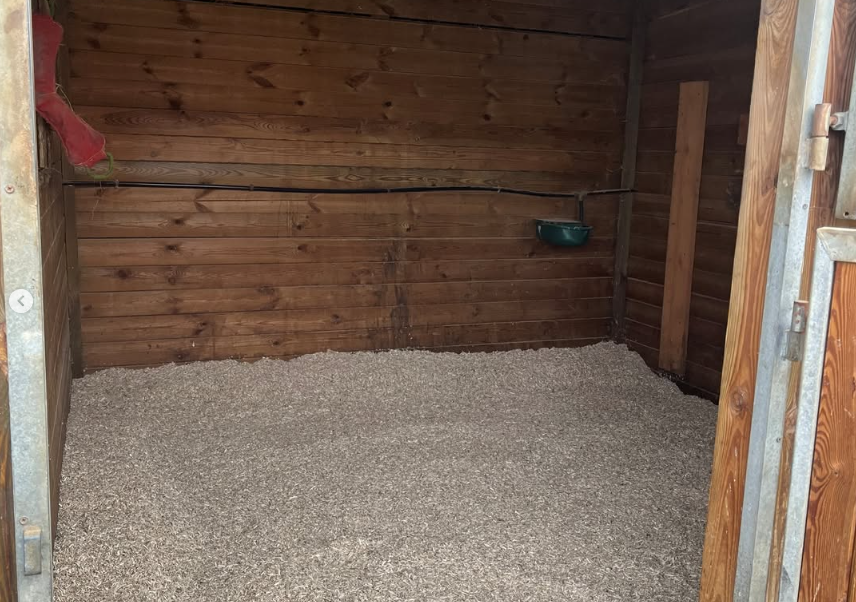
The substrate can consist of a soil and sand mix that allows your tortoise to burrow. The terrarium must provide enough hiding spots so the tortoise feels secure.
Recreate a natural habitat
To provide an optimal habitat:
- Add elements like rocks, branches, and dead leaves to stimulate physical activity.
- Secure the enclosure: the tortoise must not escape, and other animals (dogs, cats) must not reach it.
- Maintain adequate ventilation to prevent moisture buildup and respiratory infections.
- Introduce non-toxic live plants to replicate a natural environment and add hiding areas.
- Keep humidity at levels suited to your tortoise species, using a hygrometer to track readings.
- Designate a feeding zone for leafy greens, vegetables, and fruit, depending on the species’ specific diet.
- Place a shallow water dish inside so your tortoise can drink and partially soak.
Which bedding should you choose for a tortoise?
Every bedding material presents specific features:
- Soil and sand: An untreated topsoil and sand mix is natural and lets the tortoise burrow.
- Hemp: Highly absorbent and virtually dust-free, hemp provides a comfortable, safe option.
- Potting soil: Organic potting soil without chemical fertilizers works well.
- Wood shavings: Use untreated wood shavings, such as aspen, which remain absorbent and low-dust.
- Hay: Soft and natural, hay also supplies dietary fiber if ingested.
- Pine bark: Controls odors and absorbs moisture, but you must ensure it contains minimal dust.
- Leaf litter: Recreates forest floors, enabling tortoises to burrow and hide.
- Newspaper: A low-cost, easy-to-replace option, though less natural.
Can you use cat litter for a tortoise?
No, do not use cat litter for a tortoise. ❌ Mineral litters in particular contain chemical agents, fragrances, or clumping additives harmful to reptile health.
Choose suitable alternatives such as hemp bedding, a soil-sand mix, or beech wood chips.
When should you change the bedding?
- ✅ Spot-clean waste (feces, urates) immediately.
- ✅ Perform a partial substrate change every 1 to 2 weeks by removing soiled areas and topping up with fresh bedding.
- ✅ Replace the entire bedding every 1 to 2 months and clean the terrarium before adding new substrate.
(Adjust these intervals according to terrarium dimensions, substrate type, and the number of animals).
Should you replace the bedding during brumation?
No, do not replace the substrate during brumation. Once your tortoise enters dormancy, do not disturb it. Provide clean, appropriate bedding before brumation begins.
Monitor the animal’s weight regularly during this phase to prevent excessive weight loss. A tortoise deprived of proper dormancy becomes more vulnerable to illnesses, which can reduce its lifespan.
What substrate depth does a tortoise need?
The substrate layer must be deep enough to support natural digging and burrowing behaviors:
- Small tortoises: 5 to 10 cm of depth.
- Medium to large tortoises: 10 to 15 cm or more, depending on the animal’s size.
Adequate depth lets the tortoise hide, regulate its temperature, and reduce stress.
Aubiose: hemp bedding designed for tortoises
Aubiose offers hemp bedding designed for small pets and exotic animals, featuring high absorbency and dust extraction. Made from 100% industrial hemp, it contains no herbicides, insecticides, or fungicides.
It traps odors and produces minimal dust. It also composts within 6 to 8 weeks, and the packaging incorporates 50% recycled plastic.
How it works
Liquids filter through and stay trapped at the bottom, leaving the surface layer dry and clean.
Tortoise species eligible for ownership in France
Common species authorized for private keeping in France include:
- African spurred tortoise (Centrochelys sulcata), reaching 60 to 80 cm in adult carapace length.
- Reeves’ turtle (Mauremys reevesii), an Asian aquatic species measuring 15 to 18 cm as an adult.
- Freshwater turtles such as Elseya novaeguineae and Emydura, native to Australia, measuring around 30 cm as adults.
- Leopard tortoise (Stigmochelys pardalis), an African land species measuring around 40 cm as an adult.
Keeping a Hermann’s tortoise (Testudo hermanni) or a Greek tortoise (Testudo graeca) requires specific administrative authorizations (AEA / certificate of competence) from your local prefecture. Review local regulations carefully before selecting a species.
Summary
Creating a suitable enclosure requires monitoring key factors:
- Temperature gradients
- Substrate quality
- Hiding spots and physical enrichment
- Balanced nutrition
Selecting a dedicated bedding such as hemp promotes hygiene and animal welfare. Clean the habitat regularly to maintain a safe, stimulating living space.